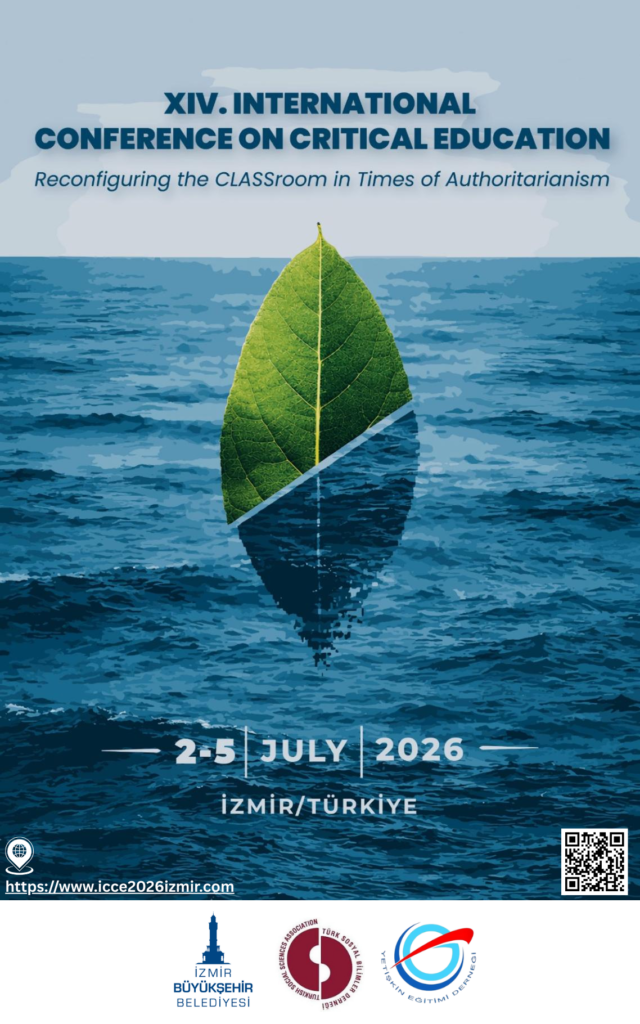
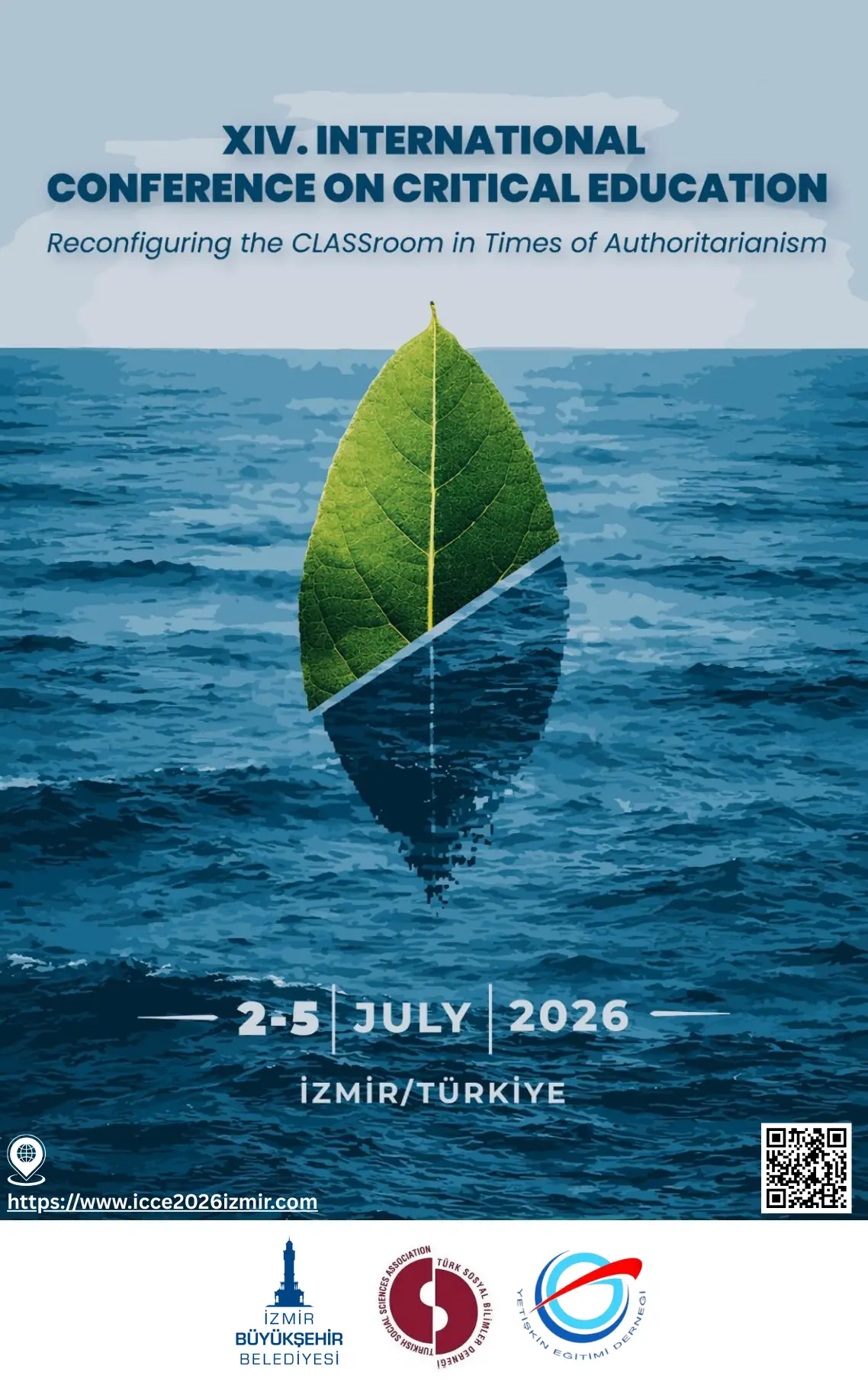
Reconfiguring the CLASSroom in Times of Authoritarianism
The profound crisis in which capitalism is currently embedded is once again giving rise to the global resurgence of authoritarian regimes. The growing influence and aggressiveness of far-right tendencies in the United States, Europe, and across the world not only intensify geopolitical tensions, wars, and displacement, but also deepen capitalism’s systemic crisis by leaving societies to contend with poverty, racism, gender inequalities, and ecological devastation. These conditions, shaped by the post-2008 prescription of “more neoliberalism”, paradoxically stabilise capitalism by plunging countries and peoples into chaos and sustained instability.
For years, the neoliberal programme has shifted the costs of crisis onto broad segments of society, implementing a global policy of destruction directed at public
ownership and fundamental rights. Today, this programme is eradicating what remains of welfare provision, most notably in housing, education, healthcare, and social security. This regime of plunder, exploitation, and dispossession operating in favour of capital is further legitimised through environmental catastrophes, geopolitical tensions, and war economies.
Within this globalised condition of misery, educational impoverishment has unsurprisingly intensified as a worldwide trend and a distinct form of dispossession. As a result of deep cuts to education budgets and privatisation policies, younger generations are being stripped of their right to free, equal, and high-quality education. On the one hand, they are deprived of a genuine classroom, that is, an emancipatory, developmental, egalitarian, and just educational space. On the other hand, policies that continually reproduce poverty within the classroom render students increasingly deskilled and confine them to their social class, effectively trapping them within poverty itself and depriving them of the capacity to choose their lives and realise their potential.
Consequently, under authoritarian regimes that function as guardians of capitalism, education can no longer generate a promise or hope, neither for individual emancipation nor for the liberation of humanity and the planet. On the contrary, the classroom, structured in all its components, from curricula and examinations to the positioning of students and teachers, and from social relations to relationships with nature, in line with the interests of capital, seeks from the outset to suppress and neutralise emergent forms of class-based resistance and solidarity.
Yet, in this era of systemic crisis, when, as Gramsci famously observed, “the old is dying and the new cannot yet be born”, we, as critical educators, maintain that the future of humanity will be shaped by the power of social struggles. We regard the tradition of critical pedagogy as one of the constitutive axes of this struggle. From this perspective, we consider it vital today to reinforce and re-centre the CLASS/room in both senses of the term, both the classroom as a pedagogical space and class as a social relation. We recognise the importance of collective solidarity among critical educators, progressive teachers and students, scholars, trade unions, and associations in developing a revolutionary education movement, one that carries ideas of social justice, equality, freedom, and collective life into classrooms, rekindles class consciousness, and demonstrates its transformative power for a liveable world for all beings and a dignified future for humanity.
On this basis, we issue a call to come together at the XIV. International Conference on Critical Education in order to critically examine education policies that have become integral to authoritarianism and global impoverishment programmes, to collectively develop solutions oriented towards the common good of societies and nature, to share practices and experiences of struggle, and to articulate the tasks and responsibilities facing critical educators today.
Previously held in Athens (2011, 2012, 2017), Ankara (2013, 2024), Thessaloniki (2014, 2022, 2025), Wrocław (2015), London (2016, 2018), Naples (2019), and Malta (2023), the International Conference on Critical Education (ICCE) is a forum bringing together academics, educators, and activists committed to social justice and emancipation. Its aim is to discuss, in a collegial atmosphere of international solidarity, theoretical traditions, pedagogical ideas, practical applications, and experiences of resistance and struggle that may prove useful in confronting neoliberal education policies.
The languages of the conference are English and Turkish.
Countdown to the Conference:
- 00Days
- 00Hours
- 00Minutes
- 00Seconds